Pride of rural Kagawa: The ancient, intensely-hot Karafuro sauna
On a cold winter day, “high-heat enthusiast” Yu Terao drives an hour from nearby Tokushima Prefecture to visit Japan’s oldest — and reputedly hottest — sauna.
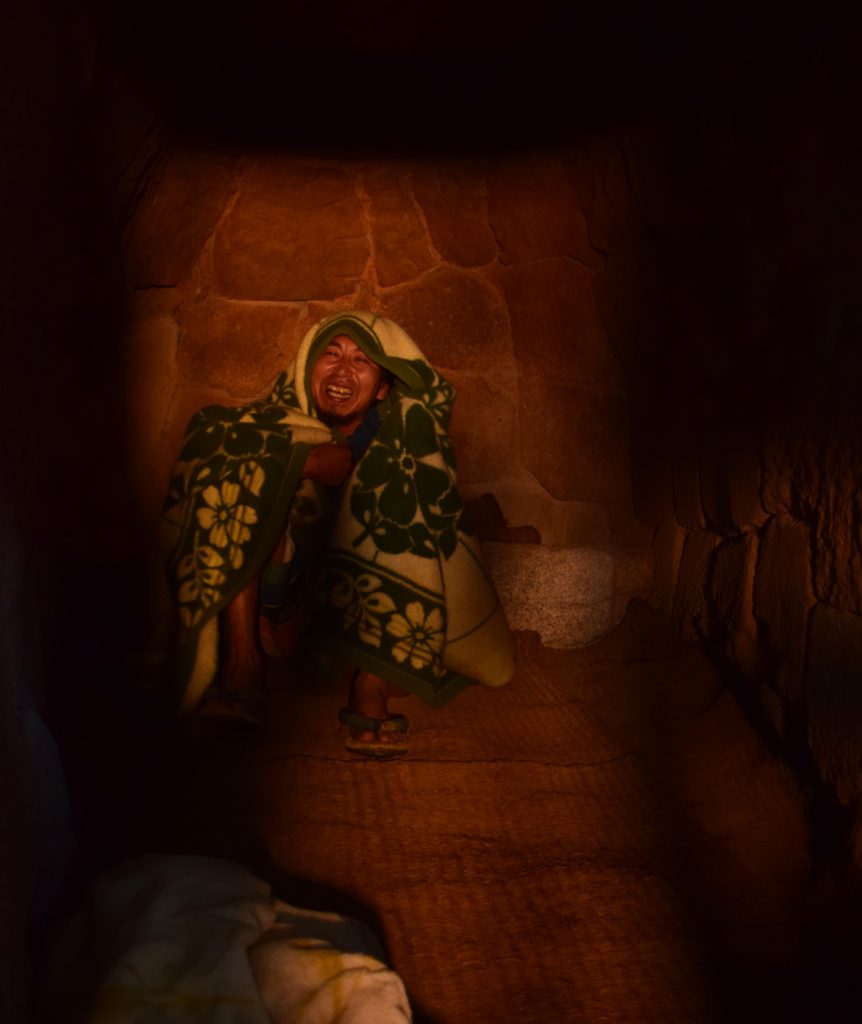
Wearing a sweater, shorts and a pair of straw sandals, he opens a metal door in a stone wall and ducks into a domed chamber. As the inside temperature rises to 150 degree Celsius, Terao quickly shuffles across the floor to prevent his skin from burning. To protect other parts, he sits on a cushion that was chucked over straw mats and wraps a blanket around his body and face. He emerges a few minutes later, his face drenched with sweat.
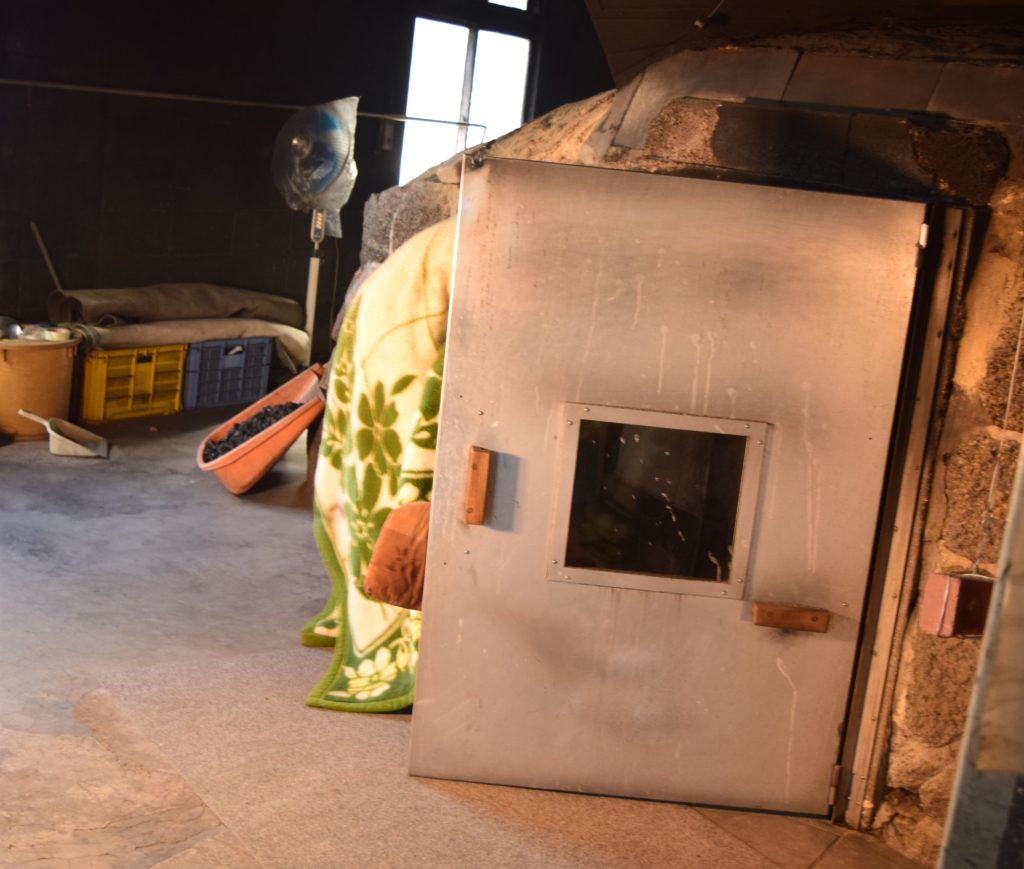
Terao braves the scorching heat not to seek a thrill but rather to improve his health condition. “I highly recommend you experience first-hand the incredible effects of it,” the 46-year-old says excitedly.
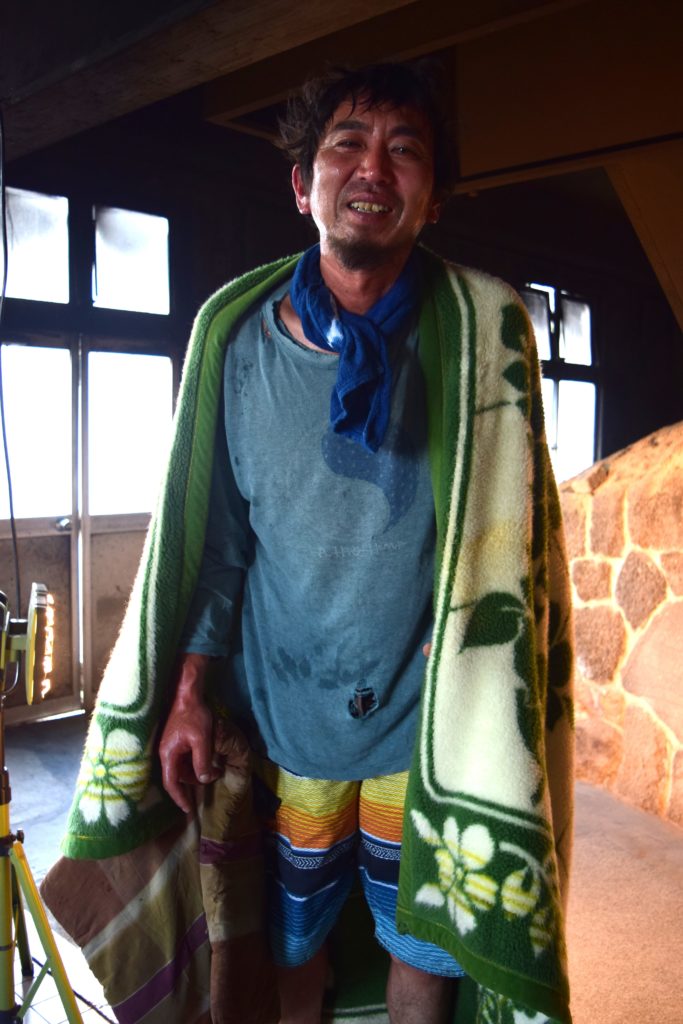
Terao found the facility, Tsukahara no Karafuro bathhouse, in Sanuki city, Kagawa Prefecture, only three days ago, and he has since religiously visited the place every day. He has his own perspiration routine: off to the sauna to sweat, followed by a cool-down period and then rest. He repeats this cycle over a two-hour period.
“Exposure to excessive heat has had a positive impact on my digestion and circulation,” Terao says. I was at first suspicious. Wouldn’t such unusually high temperatures do more harm than good?
Spurred by Terao’s endorsement, I nervously follow his lead into the chamber filled with stifling steam. I can barely breathe. The steam feels like it is coursing through my windpipe and down to my stomach where it sears me from the inside. My heart races and sweat drips from my pores. Terao tells me some bathing manners, such as facing the door and keeping it closed to maintain the inside temperature. But before long, the high temperature makes it impossible for us to have a normal conversation, so we decide to rush out.
The soothing effect of bathing is obvious. After the two-minute session, I feel relaxed, drowsy and cleansed of all aches and pains. Only 18 minutes after opening time, five others crowd the tiny facility: Terao, his friends and a few local residents.
How does Karafuro get so hot?
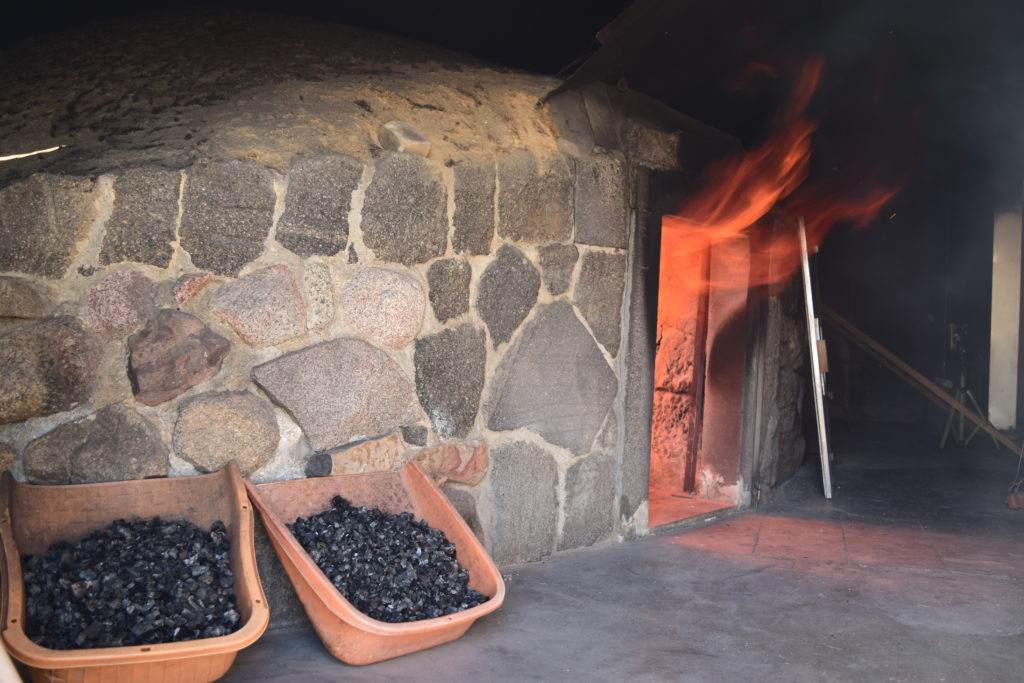
High priest Gyogi is believed to have built Tsukahara no Karafuro about 1,350 years ago to prevent illness. The ancient sauna, initially called ishiburo (stone bathhouse), has been preserved in its original state, despite having once been forced to shutter due to financial difficulties. It has survived mainly on business from a local following.
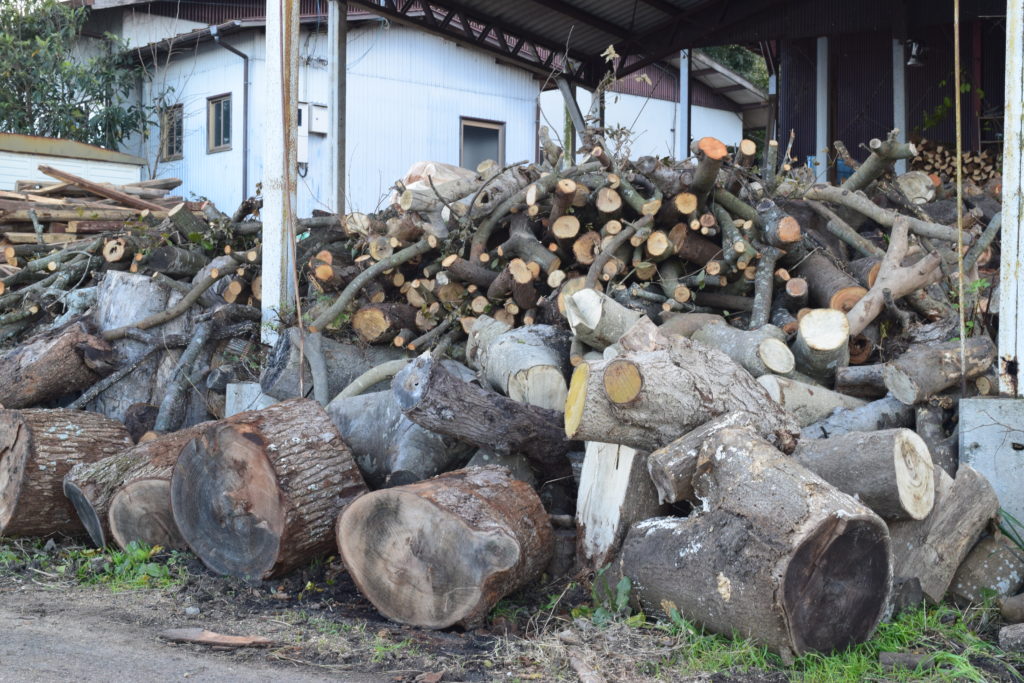
On business days, from Thursday to Sunday, Toshiro Okada, who is in charge of heating Karafuro, visits the facility well before opening time. He neatly stacks around 120 kilograms of chopped firewood in a crisscross pattern inside the stone chamber, which is 1.2 meters wide and 2.7 meters deep. The kindling is set on fire, and the wood pile burns for an hour. Okada later re-enters the chamber, breaks the glowing embers into chunks with a metal rod, and spreads them evenly across. He then covers the embers with a set of six wet straw mats and douses them with salt water, creating a billowing fog and a sizzling sound. The stone chamber, tightly sealed with wood beams and a blanket, will be steamed for another hour.
The steaming hot Karafuro will be ready for use by noon, when it opens. Okada heats the chamber twice a day in this manner, at 10 a.m. and 3:30 p.m.
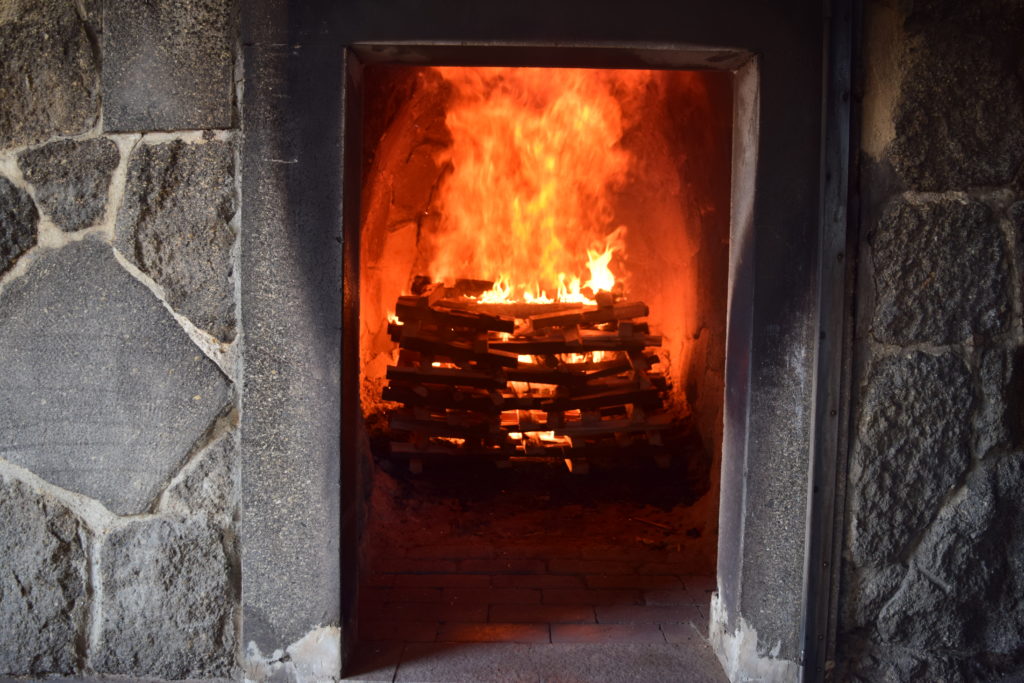
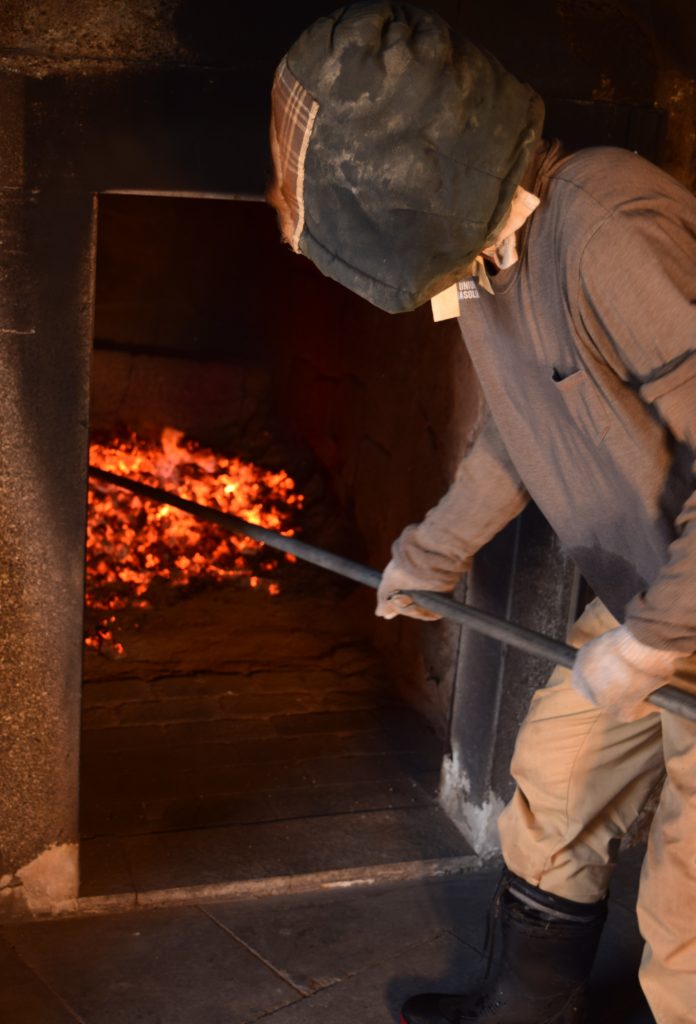
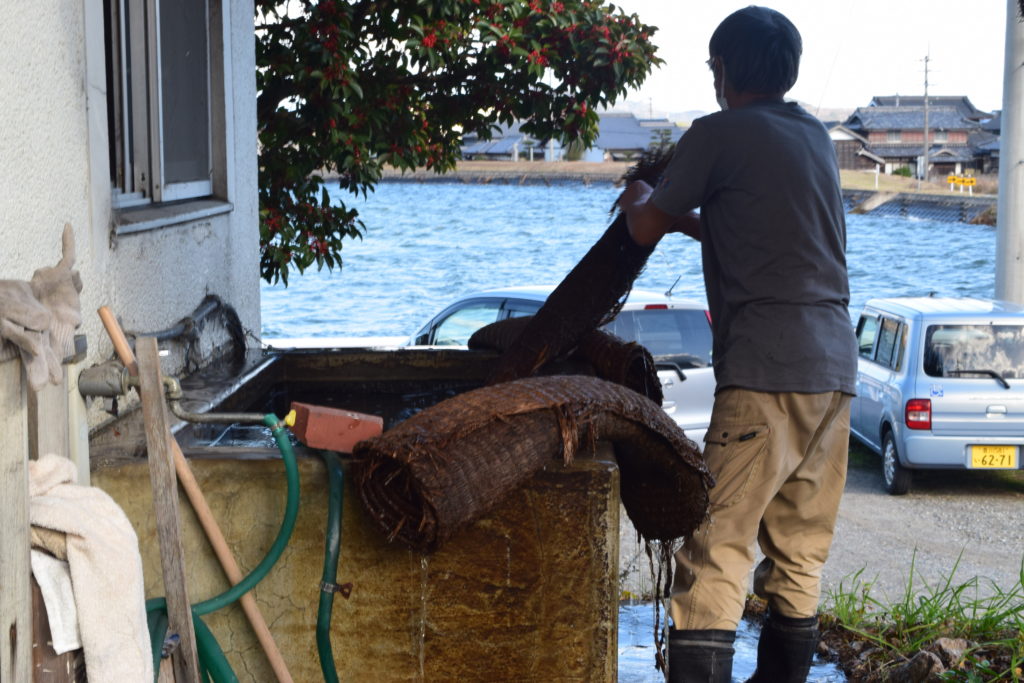
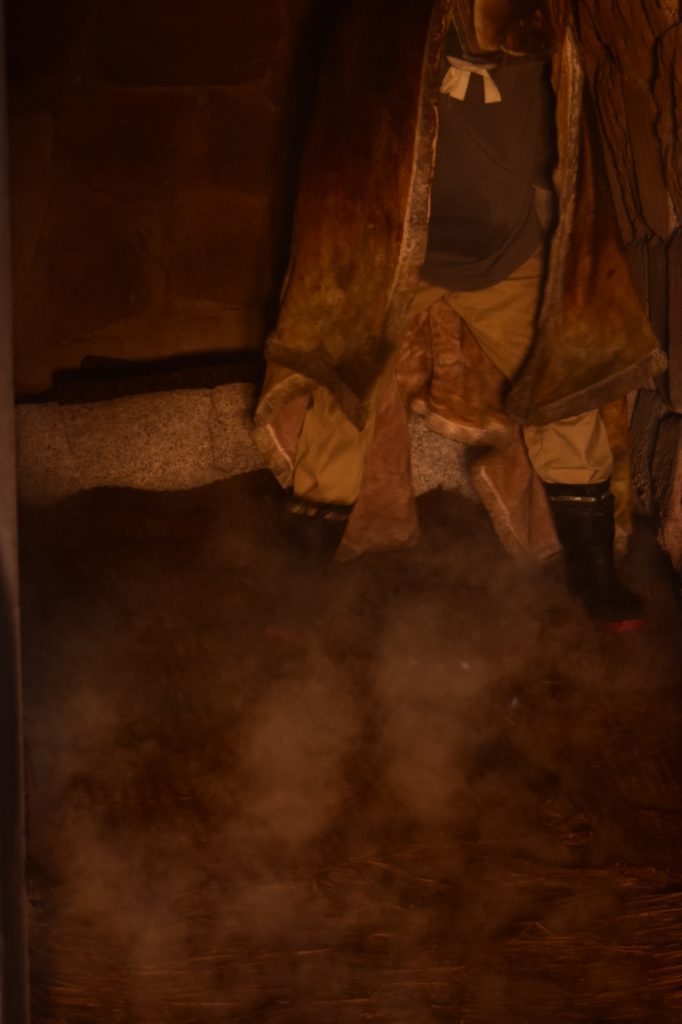
This method of heating dates back centuries. And the art of recreating the old style comes at a cost.
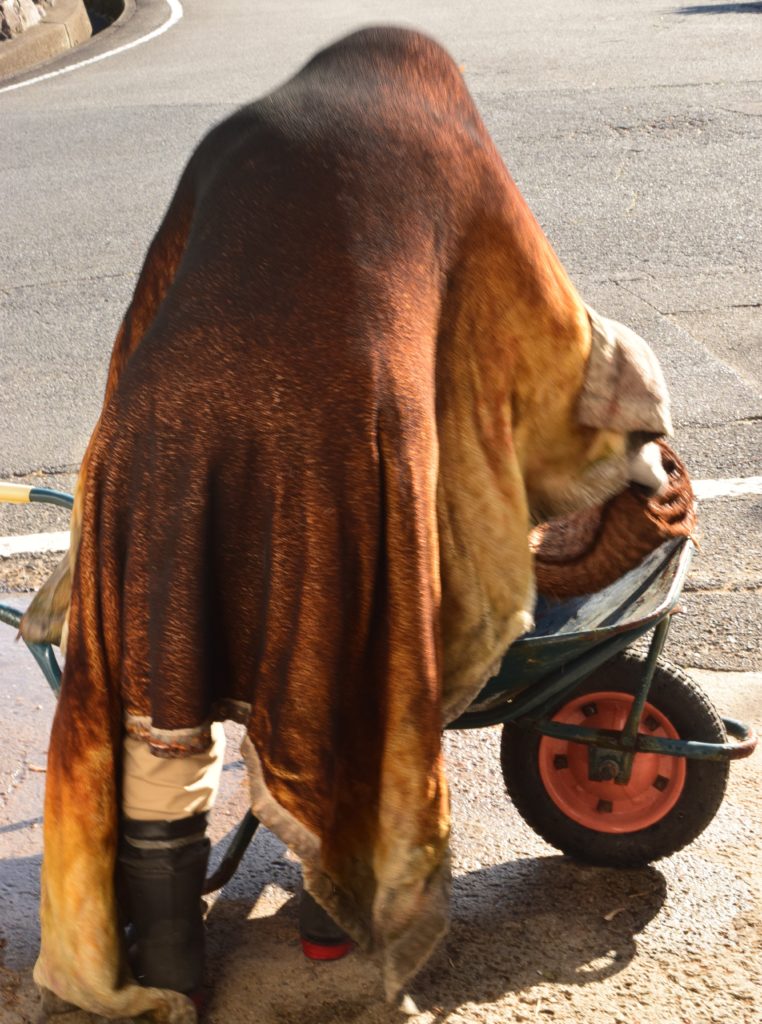
“It was really hot and painful,” says Okada, 74, showing off the red irritated skin on his back after he completed the job.
Riding a wave of sauna popularity
According to Okada, Karafuro welcomes 15 to 40 visitors a day. Despite its inconvenient location, situated about 18 kilometers south of the prefectural capital of Takamatsu, many guests come from outside Kagawa Prefecture, inspired by TV shows or YouTube videos about the hot attraction.
A tour group of visitors from Taiwan and Europe recently used the facility, even though it does not provide English information.
Although a similar ishiburo can be found in Yamaguchi Prefecture, Karafuro is the only one in Japan that is open almost all year round.
Despite all the new attention, Karafuro faces a problem that could jeopardize its survival: finding a successor who can look after the facility. Kenichi Kobayashi, the 76-year-old head of the Karafuro preservation association, says he is seeking someone to take responsibility for the overall management of Karafuro.
About Tsukahara no Karafuro
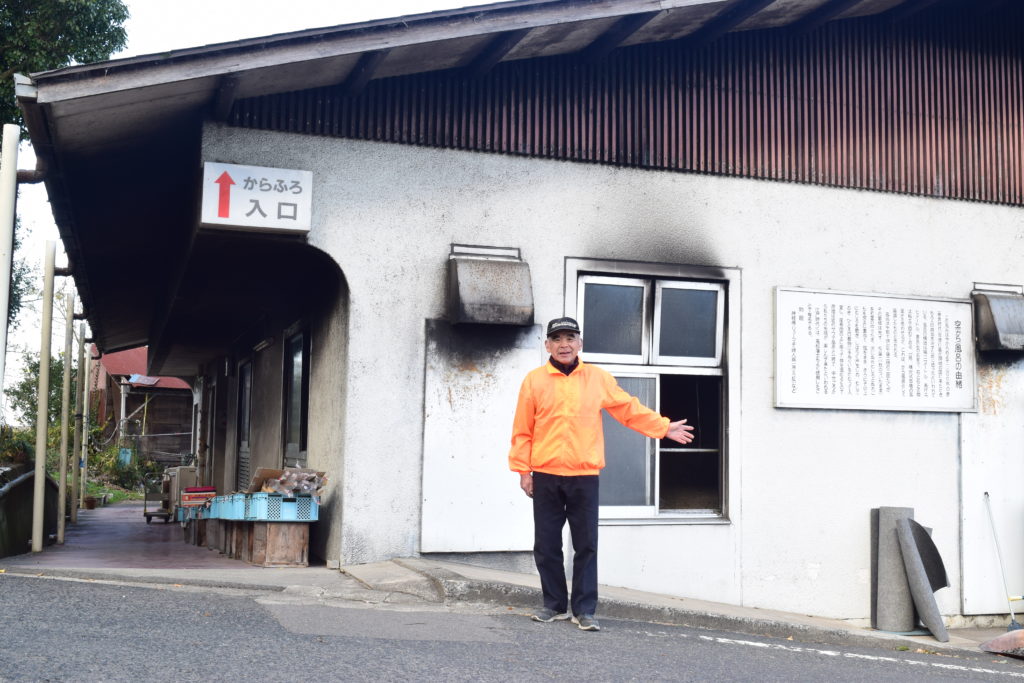
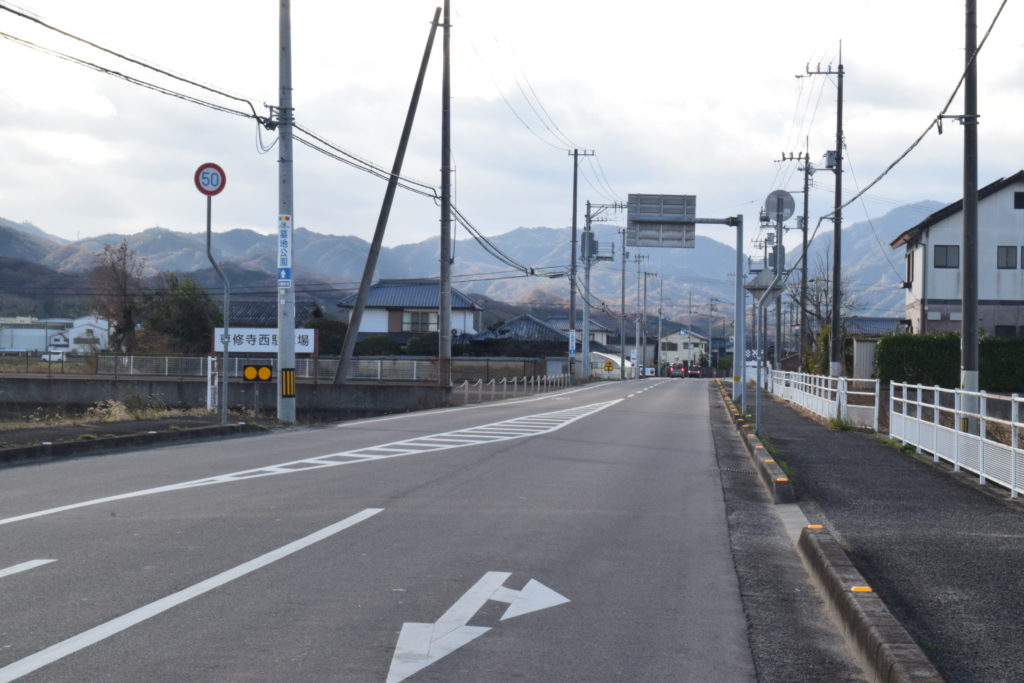
Karafuro is open from 12 p.m. to 9 p.m. from Thursday to Sunday, except for the Bon summer holidays and the New Year period. People traveling by train will need to take a taxi or walk from Nagao Station, about 2.7 kilometers away.
Alongside the 150-degree chamber, Karafuro also has a 100-degree chamber for a milder sauna experience. The “lukewarm” chamber, which uses residual heat from a day earlier, feels more like a hot-stone spa than a sauna. The usage fee, in cash only, is 500 yen.
Bathers are required to wear a sweatshirt or other sweat-absorbing fabrics. A hood, which serves as a sauna cap, cushion, blanket and a pair of straw sandals are provided for free. Showers are also available. The potential benefits of Karafuro include reducing stiffness, easing fatigue symptoms and improving the skin’s appearance. Although I walked more than 50,000 steps carrying a heavy backpack over two days, I was free of muscle pain the day after the quick perspiration session.
For more information about Karafuro, visit this website.