In rural Japan temple, Tottori priest soothes troubled minds over booze
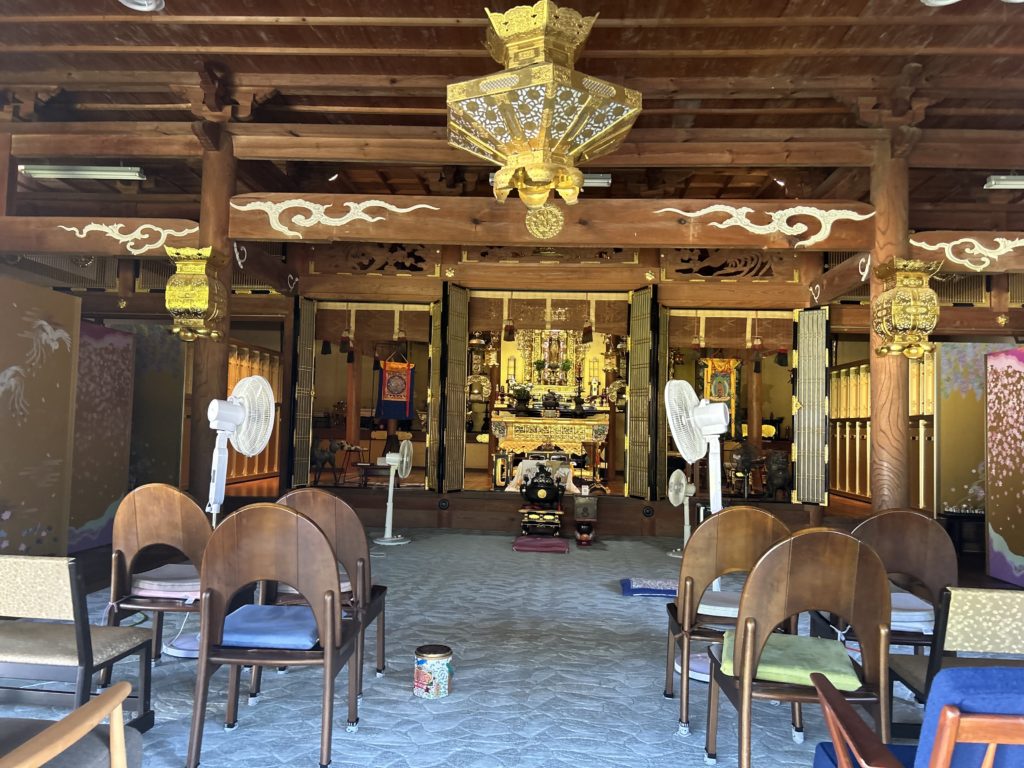
At 10 p.m., Hidetoshi Munemoto, chief priest of Kotakuji temple, places glasses of whiskey and a small plate with nuts on a table set up in the main hall. These offerings are not for Amida Nyorai, the principal deity enshrined in the hall, but for overnight stayers seeking a unique experience that brings them closer to the temple and the healing powers of Buddhism.
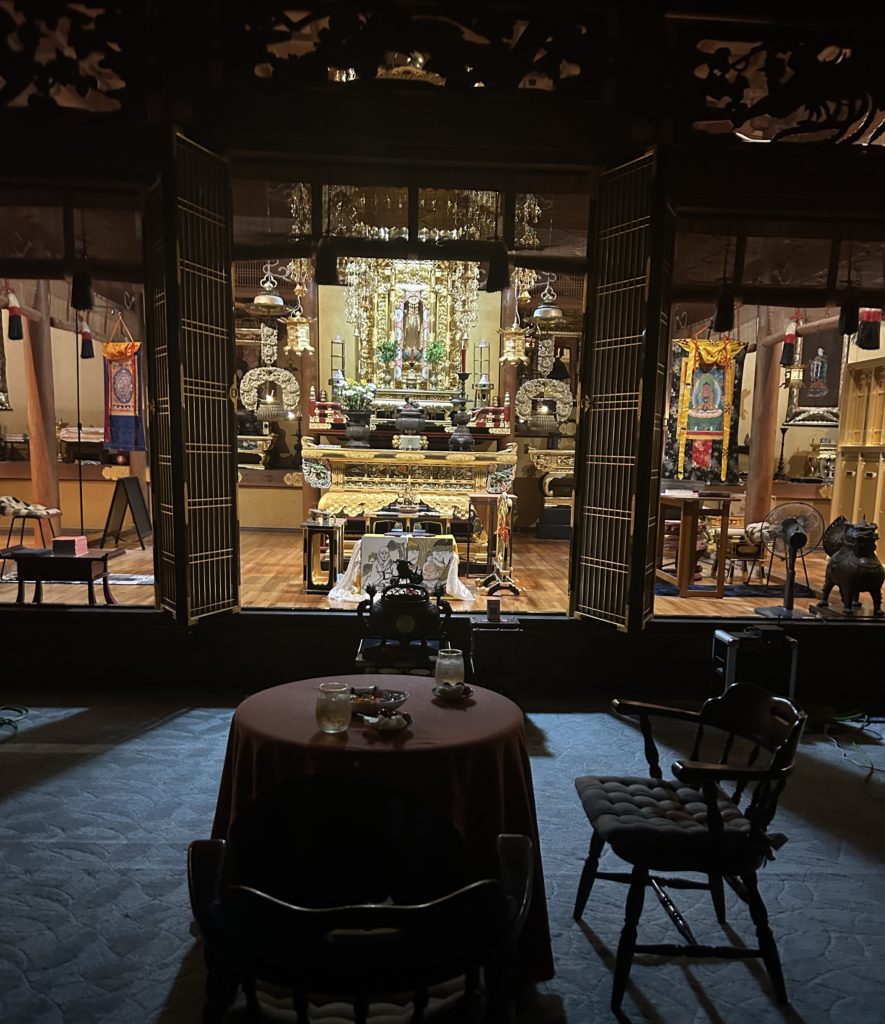
Munemoto established the “midnight main hall bar” to allow temple guests to pour out their personal problems and receive advice about life over drinks with the priest. The bar only opens based on a customer request.
The sacred solemnity of the setting could make guests feel a sense of awe when they see the golden statue of Amida Nyorai with his head hidden behind a chandelier. However, many visitors found themselves easily letting their guard down in front of Amida Nyorai, who is known as a benevolent deity, according to the 63-year-old priest.
“Some guests take this opportunity to divulge very private information, such as their secret struggles, that they wouldn’t otherwise share with other people,” says Munemoto.
“They seem to get a feeling of being accepted, forgiven and enveloped by Buddha. They talk as if personal boundaries disappear in the comfort of this environment — and they seem to do so without any resistance.”
Munemoto sits next to a guest, and they chat over drinks of Japanese sake and whiskey paired with nuts and slices of pear, a local specialty. Munemoto gently helps the guest overcome a mental roadblock by using the words and teachings of Buddhism.
During my session with Munemoto, I felt a warm sensation watching the statue radiating in gold with the regular flickering of soft LED candle lights. I didn’t realize it but we kept on talking until 1 a.m.
Wearing casual clothes, Munemoto, a stocky man with a gentle voice, shared with me his life experience before moving to mine. His face took a serious look but he tried to mollify me with kind words of Buddhism as I talked about my past relationships, providing very personal details. I didn’t realize it but we kept on talking until 1 a.m.
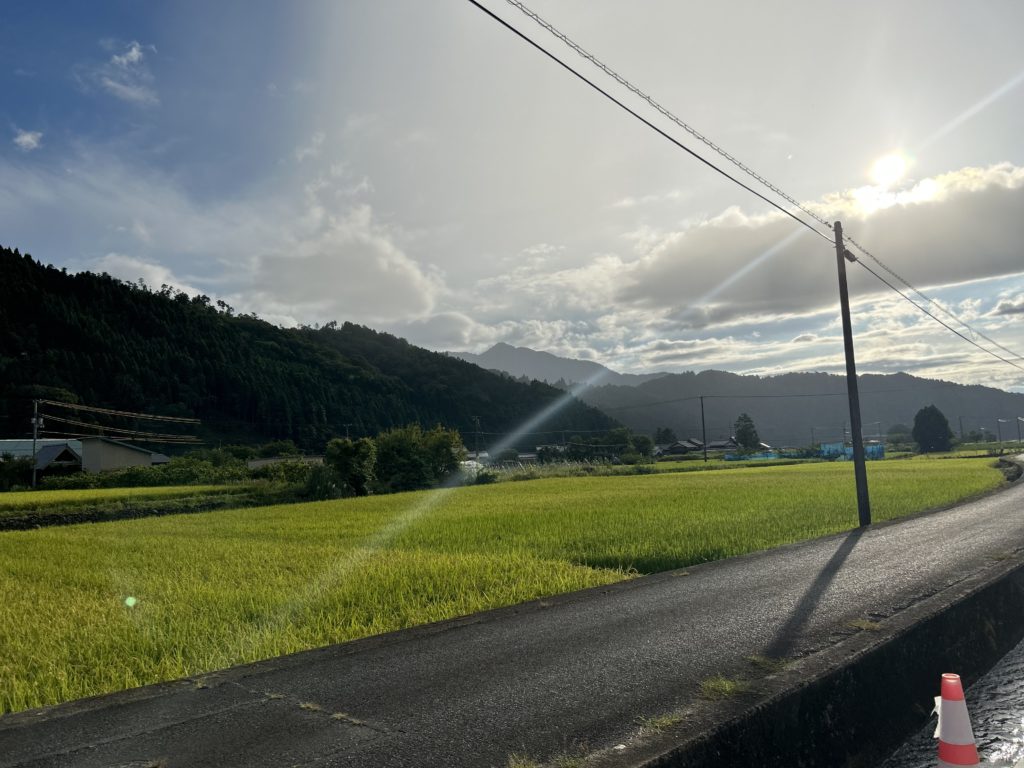
Kotakuji, a temple of the Jodo Shinshu sect of Buddhism, is located in the Yazu-cho area about a 40-minute drive from Tottori Station. Yazu-cho, surrounded by low-lying mountains and rice paddies, has been plagued by population decline and related issues common in many rural communities in Japan. Only 55 households live in Yazu-cho, and the number is decreasing.
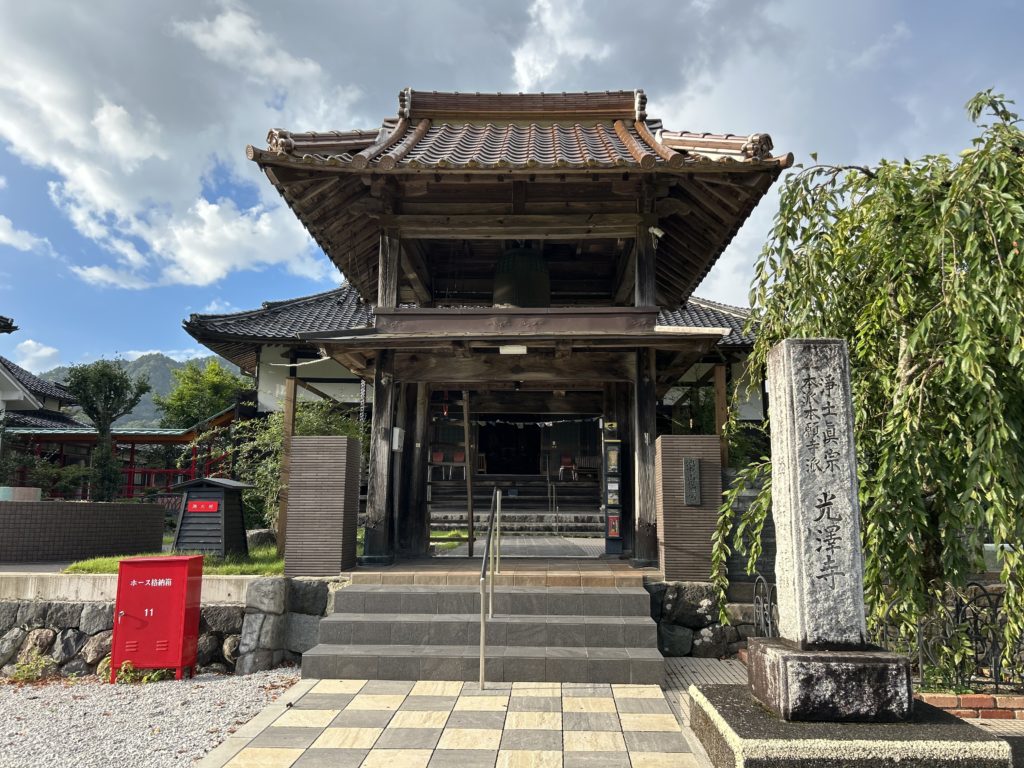
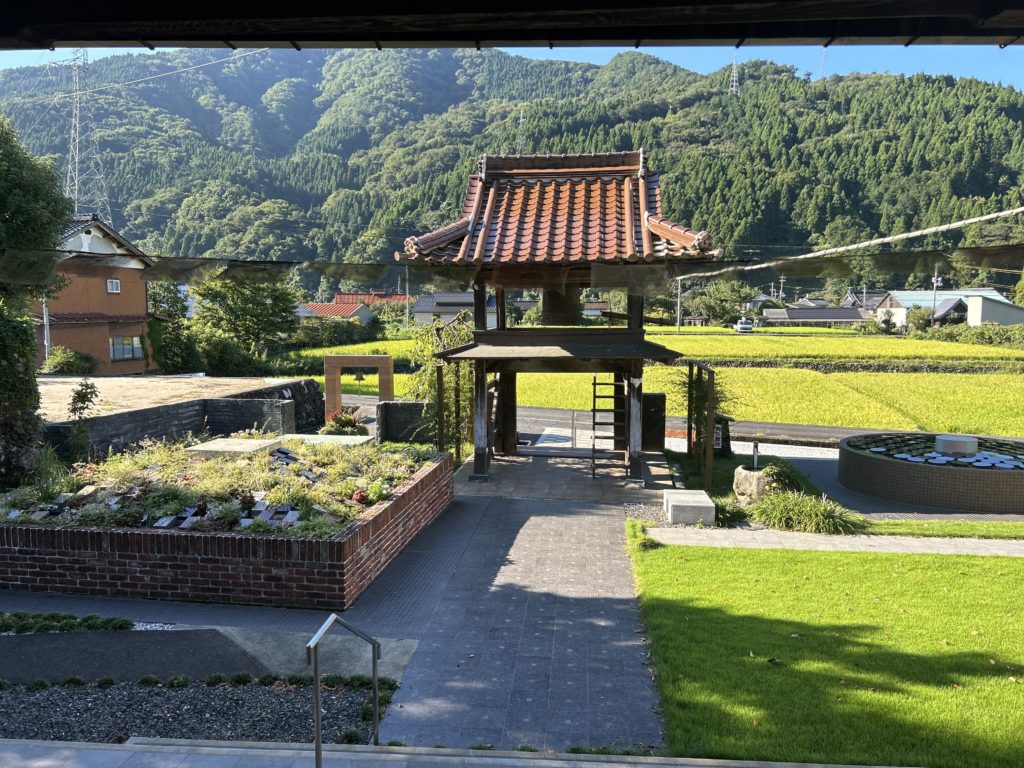
Munemoto explored ways to keep Kotakuji afloat without relying on the shrinking communities of “danka” parishioners who financially support the temple. He began temple lodging in 2012 and set up the midnight main hall bar in 2016.
According to Munemoto, the temple welcomes around 10 parties of overnight stayers between the ages of 19 and 89 each month. Of them, two-thirds were women traveling solo. Many guests are locked in distressful work relationship or feel stymied by life. They knock on the temple’s door to seek answers through the teachings of Buddhism.
Although Munemoto is not good at speaking English, and hence there is no English information available about the temple, overseas guests occasionally visit Kotakuji. Recently, a German couple on their honeymoon stayed overnight, he says.
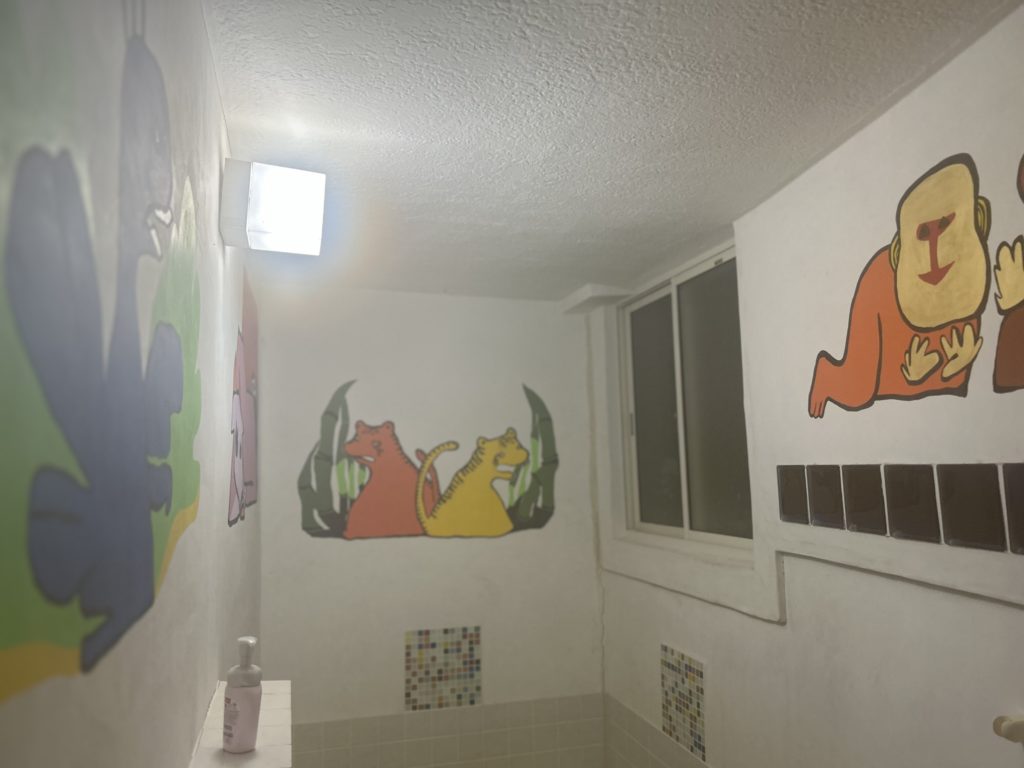
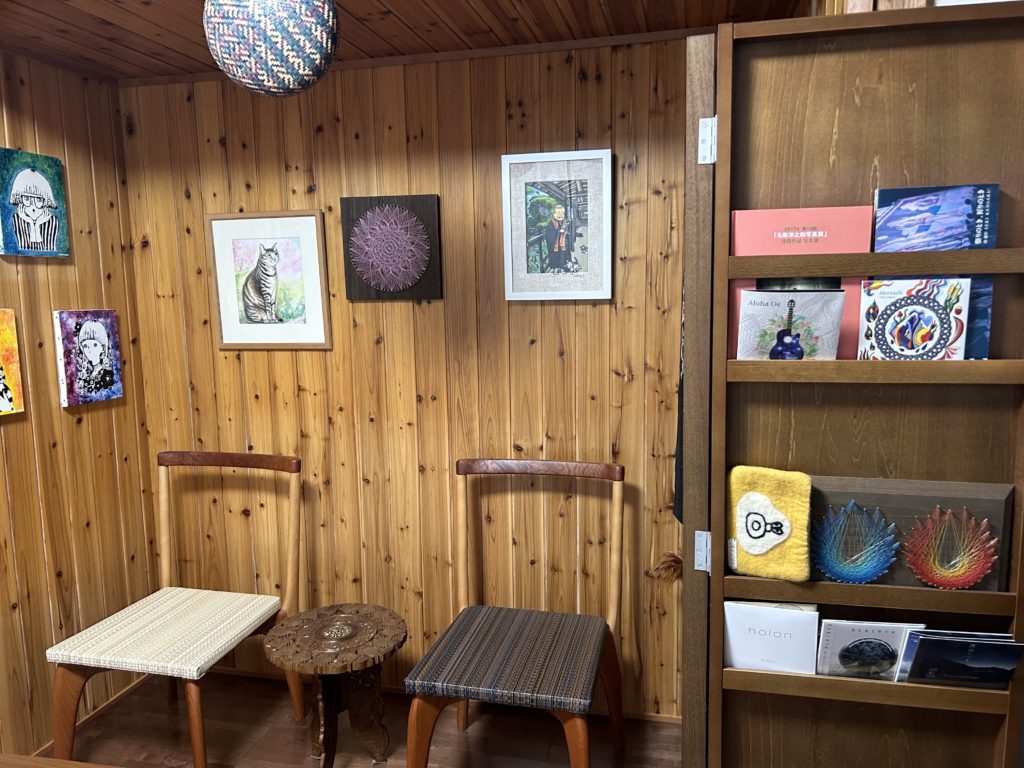
The temple has two bedrooms, which can together fit up to eight people, a dining room, bathroom and reception room that are connected to the main hall by a bridge. On the way from one of the bedrooms to a dining room, jazz music drifts down the hallway from a rest area with bookcases filled with an array of magazines and books on Buddhism.
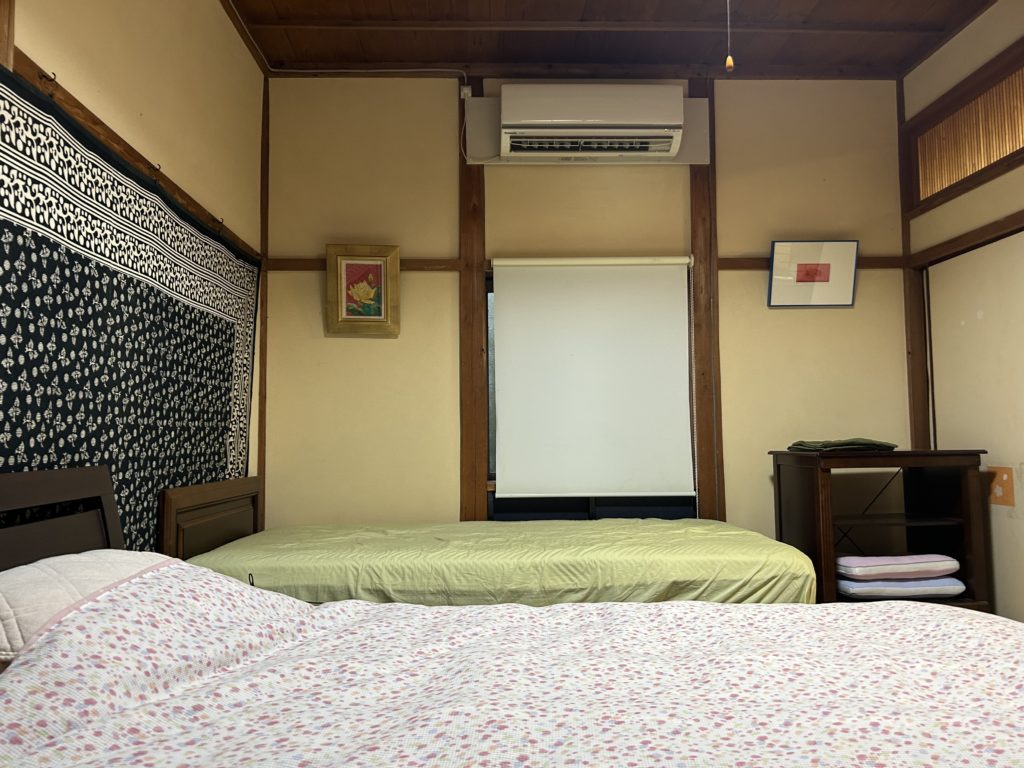

The temple provides samue (monk’s working clothes) to wear during voluntary sessions of syakyo (hand-copying of sutra), a practice aimed at stabilizing the mind by concentrating on one simple task, and meditation, or as pajamas.
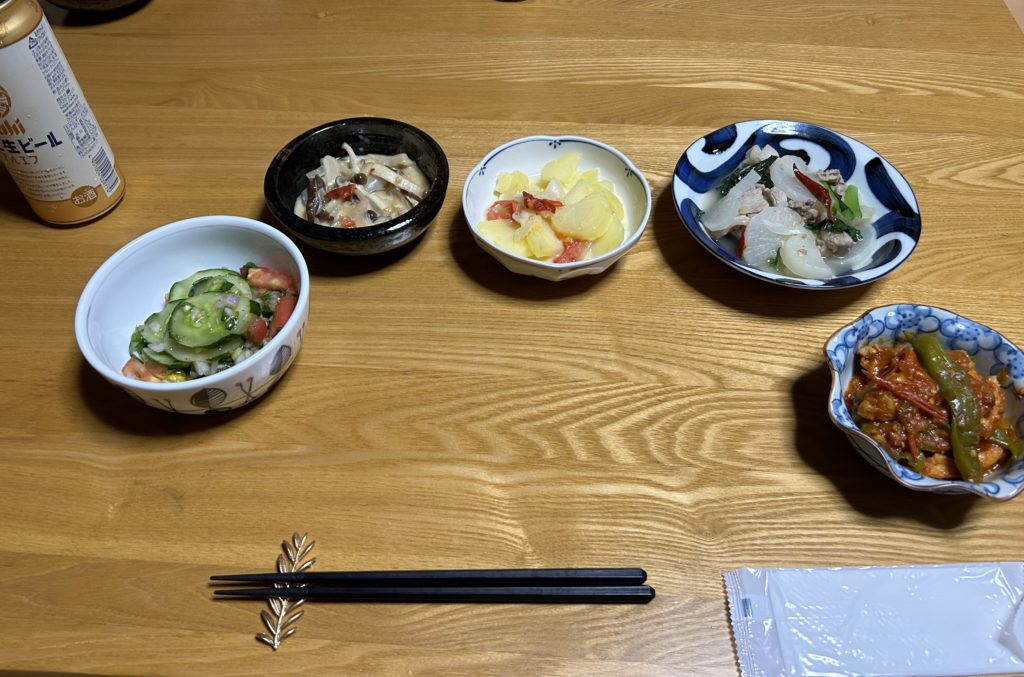
Munemoto’s wife, Megumi, prepares breakfast and dinner for each guest. Four dinner options are available: Bhutanese, Italian-style, Japanese shojin-ryori (Buddhist vegetarian cooking) and local home-cooked meals. I picked Bhutanese meal, which was meticulously prepared with lots of peppers and cheese.
The temple only accepts one guest or one group of visitors at a time. It offers only one rate — 10,000 yen (roughly $66) per night — which includes breakfast, dinner and bar drinks and snacks.
Munemoto does not intend to make a business out of lodging nor bar counseling, but he hopes that these services help increase the temple’s visibility.
“The aim of temple lodging is to create connections with my guests, so I’m not so keen on generating profits,” he says. “I hope that the lodging experience will help to enhance the appeal of my temple.”
In 2019, Kotakuji began an eitai kuyo service wherein a temple takes responsibility for the memorial service for the deceased and management of the ashes on behalf of their families. It now forms a primary source of revenue for the temple.
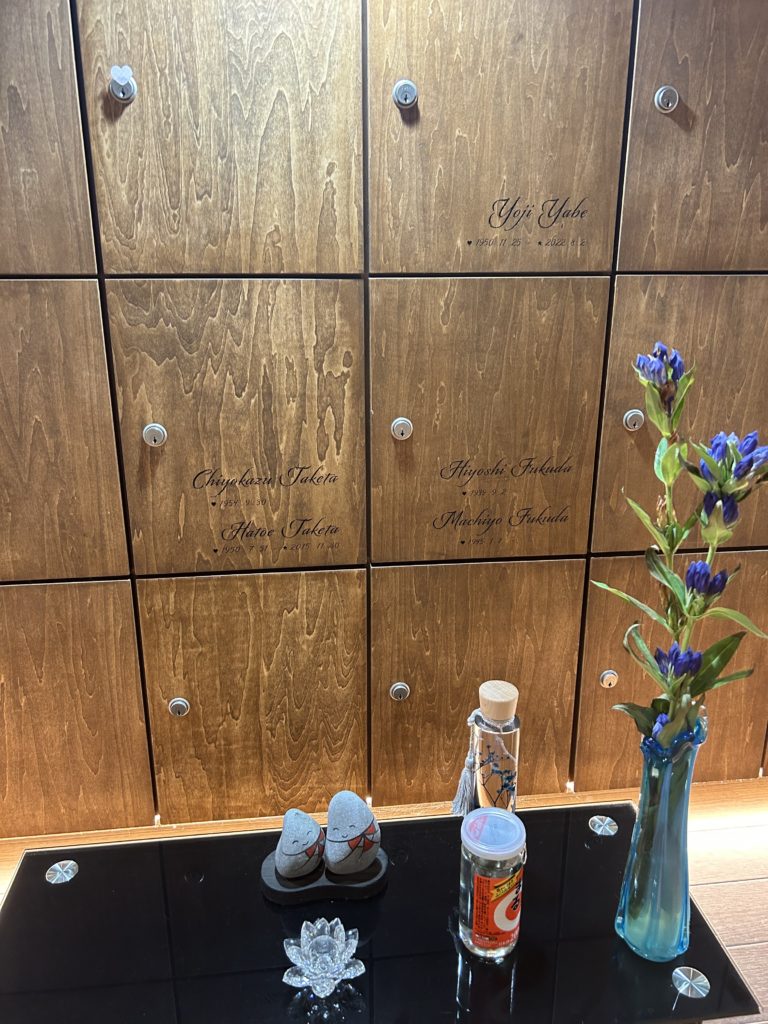
“Through lodging and bar experiences, I’d be happy if guests would think, ‘I want to sign up for eitai kuyo because I like this temple’,” he says.
After receiving the contract fee, Kotakuji takes care of the ashes indefinitely without requiring membership fees or donations.
Recently, a Tokyo woman in her 90s who learned about the temple by word of mouth applied for the service for her entire family, according to Munemoto.
Although lodging and bar counseling are not intended primarily for financial gain, Munemoto emphasizes interactive communication with his guests. He basically eats dinner with them and continues the conversations in the bar after letting them take a bath.
One guest got so excited that the conversation with Munemoto lasted until 3 a.m., he says.
The priest says his ability to perceive and understand the struggles of all walks of life stems from his experience of working as a salaryman.
Born the eldest son of a temple family, he worked for a large telecommunications company before becoming a priest. During his five years working at the Tokyo head office, he saw first-hand his colleagues backstabbing each other to climb the corporate ladder. There, he recalled, “I became keenly aware of irrationality in relationships at work.”
This experience enabled him to empathize with people suffering from similar work predicaments.
Although temple lodgings are now available across Japan, Munemoto credits himself with getting close to guests physically and psychologically, more so than any other priest.
“That’s because I have more free time than any of them,” he says jokingly.
About Kotakuji temple
Kotakuji is a temple of the Jodo Shinshu sect of Buddhism originally built in 1592 in Tottori City. It is now located in the Yazu-cho area about a 40-minute drive from Tottori Station. To make reservation for the temple lodging/midnight main hall bar experiences, contact the temple via email (Contact form: https://www.koutakuji.com/form.html) or telephone(Kotakuji’s phone number: 0858-84-1650).
Kotakuji’s address: 〒680-0604 Yazu-cho-Minami 398, Yazugun, Tottori Prefecture